
Left unaddressed, foaming degrades lubrication, drives up operating temperatures, and pushes oil-laden mist into downstream air lines. For facilities in food processing, pharmaceutical production, or any regulated environment, the consequences reach beyond equipment damage.
Catching the problem early - and knowing what's causing it - is what separates a quick oil change from an unplanned shutdown.
Key Takeaways
- Trapped air in lubricant causes foaming - degrading lubrication, cooling, and sealing performance simultaneously
- The four most common causes are moisture contamination, incompatible oil mixing, degraded lubricant, and an overfilled sump
- Foaming drives oil carryover into air lines, accelerates component wear, and raises discharge temperatures
- Use the correct OEM-specified lubricant, maintain proper oil levels, control moisture, and follow scheduled oil change intervals
- Milky oil, rising discharge temperatures, and oil in air lines are early warning signs - act immediately
Common Causes of Oil Foaming in Rotary Screw Air Compressors
Most foaming incidents trace back to one of four root causes, and nearly all of them are preventable once identified.
Water and Moisture Contamination
Water is the most common trigger. Inside a rotary screw compressor, condensation forms naturally during cold starts or in high-humidity environments. When water mixes with oil, it creates an emulsion that traps air and generates stable, persistent foam.
According to CAGI, a 100 scfm compressor drawing in air at a 60°F dew point can introduce roughly 14 gallons of water in 24 hours. A 75 HP unit in warm, humid conditions can produce more than 25 gallons of condensate during a single 8-hour shift.
Two operating patterns make this worse:
- Frequent on/off cycling that prevents the oil from reaching full operating temperature, leaving moisture to accumulate rather than evaporate
- Intake air pulled from humid or outdoor environments, which dramatically increases the condensate load entering the system
industry practice reports that PAO compressor lubricant reaches room-temperature saturation at just over 100 ppm water. At 300 ppm, bearing life can be cut in half - a threshold regularly exceeded in operating compressors that aren't properly managed.

Mixing Incompatible Oils or Using the Wrong Lubricant
Different compressor oil chemistries - PAO, PAG, POE, mineral, and diester-based formulations - are often incompatible with each other. When mixed, the chemical interaction can destabilize antifoam additives in both oils and trigger foaming that doesn't resolve until the contaminated oil is replaced.
Chevron's compatibility data is direct: PAG lubricants are never compatible with PAO, ester, mineral, or silicone oils. Mixing residual PAG with a fresh mineral or PAO charge can cause additives to gel and drop out entirely.
Common real-world scenarios where this happens:
- Switching from mineral oil to synthetic without flushing the system first
- Topping off with a different brand or grade than what's already in the sump
- Using a non-OEM lubricant that doesn't match the compressor's design specifications
industry practice notes that residual by-products from incompatible mixing can reduce new lubricant service life to as little as 25% if not fully removed before refilling.
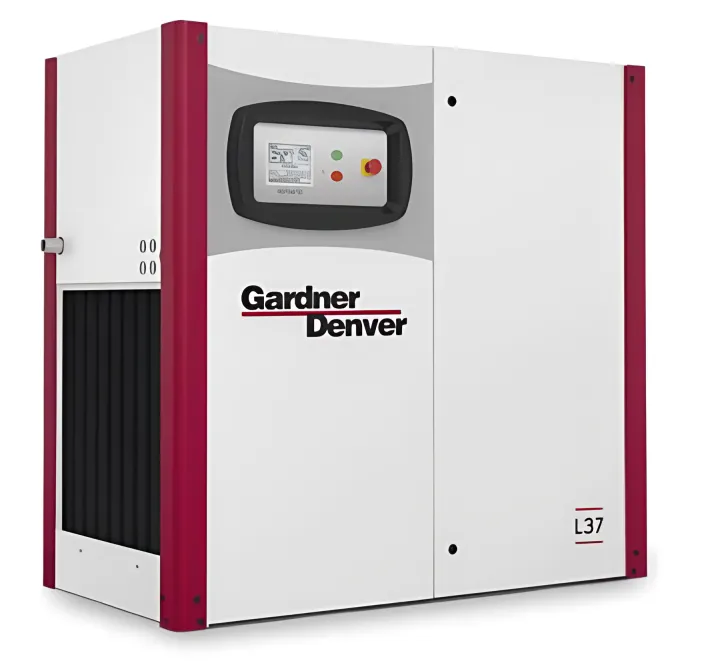
For Gardner Denver compressors, using the correct AEON series lubricant directly addresses this risk. Each formulation is engineered to avoid the compatibility problems that trigger foaming:
- AEON 800 includes defoamants as part of its base formulation
- AEON 2000 is formulated for low foaming tendencies under normal operating conditions
- AEON 9000SP (fully synthetic) is completely demulsible, separating from water quickly to minimize conditions that lead to foam
Degraded Oil with Depleted Antifoam Additives
Compressor oils contain antifoam and air-release additives that break down over time through heat, oxidation, and contamination. Once depleted, the oil simply cannot release entrained air - and foaming becomes chronic.
CAGI notes that compression temperatures can reach 200–400°F, which accelerates oxidation and drives lubricant degradation into carbon deposits and acidic varnish. industry practice identifies the warning threshold for synthetic hydrocarbon fluids: a TAN (total acid number) increase of 1.0 over baseline is alarming, and 1.5 indicates the fluid is nearing failure.
This typically occurs when:
- A compressor runs well beyond its recommended oil change interval
- Discharge temperatures are consistently high
- Oil analysis shows oxidation, acid buildup, or additive depletion
Overfilling the Sump
When the sump is filled above the recommended level, internal rotating elements agitate the oil more intensely - forcing air into the lubricant faster than it can escape. The result is foam, particularly during startup and high-load operation.
Overfilling is a common mistake during oil changes. Any overfill can cause recurring foaming. Mobil recommends checking sump oil level daily on oil-flooded rotary screw compressors and filling only to the correct level indicated on the sight glass.
What Happens If Oil Foaming Is Ignored
Foaming isn't a cosmetic issue - and the consequences don't stay isolated.
- Accelerated wear: Foamy oil develops gaps in its lubricating film, allowing metal-to-metal contact at bearings and rotors. Water contamination, one of the most common foam triggers, weakens film strength further; at 300 ppm water, bearing life can be halved.
- Elevated oil carryover: Under normal operation, CAGI reports oil carryover after coalescing runs 2–5 ppm. Foamy oil bypasses the separator more easily than liquid oil. CAGI calculates that a 50 HP unit with 4.0 ppm/w carryover can pass 4.8 gallons of oil into the system over 8,000 hours - under normal conditions.
- Thermal overload: Foam transfers heat poorly, so a foaming compressor runs hotter. This accelerates oil degradation and risks overtemperature shutdowns that halt production.

For regulated industries, there's an additional risk downstream. ISO 8573-1 Class 1 sets the oil content limit at ≤0.01 mg/m³, a threshold that becomes very difficult to maintain when foam is bypassing the separator.
Warning Signs You're About to Experience Oil Foaming
Foaming often shows observable signs before it causes serious damage. Watch for:
- Milky, cloudy, or unusually light-colored oil in the sump sight glass, indicating water emulsification or air entrainment in the lubricant
- Rising discharge temperatures or more frequent high-temperature alarms, which signal the oil's cooling capacity is compromised
- Oil traces or residue in compressed air lines, filters, or downstream equipment, a sign foamy oil is bypassing the separator
Any one of these is worth investigating - don't wait for a shutdown to confirm the problem.
How to Prevent Oil Foaming in Rotary Screw Air Compressors
Prevention comes down to correct lubricant selection, disciplined maintenance habits, and operational awareness.
Use Only the OEM-Specified Lubricant - and Never Mix Oil Types
Always use the lubricant chemistry and viscosity grade specified by the compressor manufacturer. If switching lubricant types, a proper flush procedure is required before refilling - Chevron recommends running flush fluid for 8–24 hours at normal operating temperature, then sampling monthly for six months after changeover.
For Gardner Denver rotary screw compressors, Comp-Air Ohio stocks the complete AEON lubricant line with OEM-approved formulations matched to specific applications:
| AEON Product | Base Chemistry | Service Interval |
|---|---|---|
| AEON 800 | Petroleum | 2,000 hours |
| AEON 2000 | Semi-synthetic hydrocarbon | 2,000 hours |
| AEON 4000 | Semi-synthetic (hydrotreated) | 4,000 hours |
| AEON 9000SP | PAO/MFSE synthetic blend | 8,000 hours |
| AEON 9000TH | PAO/synthetic ester (high-temp) | 8,000 hours |
| AEON 9000FG | PAO food-grade synthetic | 8,000 hours |

Using the correct AEON formulation preserves the antifoam additive package from day one and ensures proper air-release behavior throughout the oil's service life.
Maintain Correct Oil Level - Check Regularly
Check the sump oil level at every scheduled service interval and after each oil change. Fill only to the manufacturer's indicated level on the sight glass - not above it.
In high-utilization environments, a quick oil level check before startup each morning takes less than a minute and eliminates one of the easiest-to-prevent foaming causes.
Control Moisture Ingress and Condensation
CAGI establishes the core principle: discharge temperature must stay above the pressure dew point so moisture evaporates rather than accumulates in the sump. Mobil reports that typical discharge temperature for oil-flooded rotary screw compressors is approximately 185°F - compressors running consistently below this threshold are more vulnerable to condensation buildup.
Practical steps to control moisture:
- Ensure the compressor runs long enough each cycle to fully heat the oil to operating temperature
- Address short-cycling through demand management or controls adjustments
- Inspect intake filtration and evaluate the operating environment for humidity sources
- Evaluate intake conditions seasonally, particularly in facilities with high ambient humidity
Follow Scheduled Oil Change Intervals and Use Oil Analysis
Change intervals vary significantly by lubricant type. Petroleum-based AEON 800 carries a 2,000-hour interval; fully synthetic AEON 9000SP extends that to 8,000 hours. That said, high-temperature, high-humidity, or contaminated operating environments will shorten the effective service life of any lubricant.
Oil analysis is the most reliable way to determine when oil actually needs changing. Comp-Air Ohio offers a free oil analysis program for customers using AEON lubricants, tracking the indicators that matter most:
- TAN (Total Acid Number) - measures oxidation and acid buildup
- Water content - via Karl Fischer titration to catch condensation early
- Wear metals - flags internal component degradation before it escalates
- Oxidation markers - confirms whether the additive package is still effective
Results tell you whether to change oil now or run it another thousand hours - based on actual fluid condition, not a fixed schedule.
Tips for Long-Term Oil Foaming Prevention and Control
Consistent habits across the maintenance team - not just the initial lubricant selection - determine whether foaming stays a one-time fix or a recurring problem.
- Check oil color, clarity, and level at every scheduled PM visit - milkiness, discoloration, or unusual odor are early indicators worth documenting.
- Treat discolored oil, oil in downstream filters, or abnormal temperature readings as escalation triggers, not wait-and-see situations.
- Log every oil change with the type, brand, volume, date, and operating hours - this record is the fastest way to rule out incompatible lubricants during any foaming diagnosis.
- Schedule periodic inspections for compressors running under high load, high humidity, or extreme temperatures; these units are most vulnerable to foam-related wear.
Comp-Air Ohio's factory-trained technicians can perform oil analysis, inspect separator condition, and confirm all system parameters are within OEM specifications. Call (440) 237-6700 to discuss a maintenance plan for your facility.
How Comp-Air Ohio Delivers for Your Plant
Comp-Air Ohio is the Gardner Denver air compressor dealer for Northeast Ohio, serving manufacturing plants, automotive shops, processing facilities, and commercial businesses from 9841 York-Theta Drive in North Royalton since 1977. Lubricant support covers Gardner Denver and CompAir rotary screw compressors and Hydrovane rotary vane units, with AEON and Summit Industrial lubricants and Gardner Denver filtration supplies. Your Cleveland, Akron, and Northern Ohio facility gets local sales, service, repair, maintenance, parts, compressed air audits, and electric rentals up to 300 HP, plus all-makes repair when uptime matters.
Explore related resources on our compressors, parts, dryers, aluminum piping, lubricants, compressor controls, nitrogen generators, and used equipment pages.
Ready for next steps? Request a quote, call Cleveland at (440) 237-6700, Akron at (330) 928-3092, or toll-free at (800) 247-7978.
Frequently Asked Questions
Why is my rotary screw air compressor oil foaming?
Foaming is most commonly caused by water contamination, mixing incompatible oil types, oil that has exceeded its service life and lost its antifoam additives, or an overfilled sump. Determining which applies requires inspecting oil condition, reviewing the change history, and evaluating recent operating patterns.
Is oil foaming in my rotary screw air compressor bad?
Yes. Foaming reduces lubrication effectiveness, increases oil carryover into downstream air lines, and causes the compressor to run hotter. Left unaddressed, it leads to accelerated component wear, unplanned shutdowns, and air quality contamination in sensitive applications.
Can mixing different compressor oils cause foaming?
Mixing incompatible chemistries - such as PAO and PAG, or mineral and synthetic - can destabilize the antifoam additive packages in both oils, resulting in persistent foaming. Always confirm compatibility or perform a proper flush before switching lubricant types.
How do I fix oil foaming in my rotary screw air compressor?
Identify and eliminate the root cause (moisture, wrong oil, overfill), then drain and replace with the correct OEM-specified lubricant. If an oil type change is involved, perform a flush procedure first to remove residual incompatible lubricant.
How often should I change the oil in a rotary screw compressor to prevent foaming?
Interval depends on oil type: mineral oils typically require changes around 2,000 hours, while full synthetics like AEON 9000SP can run up to 8,000 hours under normal conditions. Oil analysis is the most reliable way to confirm whether a change is needed ahead of the scheduled interval.
Does oil foaming affect the air quality coming out of my compressor?
Yes. Foaming increases oil carryover past the separator, introducing oil mist into the compressed air stream. This is a critical concern in food processing, pharmaceutical, and medical applications where ISO 8573-1 air quality standards apply - in some cases requiring levels as low as 0.01 mg/m³.