
Overheating is one of the most common triggers for those unexpected shutdowns - and unlike a worn belt or a failing valve, thermal problems rarely announce themselves with an obvious single failure point. They build gradually through compounding issues in the oil and cooling system until the high-temperature sensor finally cuts the unit off.
The good news: every major cause of rotary screw overheating is identifiable, preventable, and manageable with structured maintenance. This article breaks down exactly what causes it, what to watch for, and what to do about it before a thermal shutdown costs you a production shift.
Key Takeaways
- Circulating oil absorbs the majority of compression heat; degraded oil or a blocked cooling circuit is the fastest path to overheating
- The four primary causes are degraded/low oil, cooling system failures, poor ventilation, and clogged intake filters
- Warning signs appear well before a full thermal shutdown - burnt oil smell, rising discharge temps, and extended cool-down cycles
- Gardner Denver AEON synthetic lubricants are rated for up to 8,000-hour service intervals, far outlasting conventional mineral oils
- Remote monitoring tools like Gardner Denver's iConn system can catch temperature trends before they become shutdowns
Common Causes of Rotary Screw Air Compressor Overheating
Rotary screw compressors generate substantial heat as a byproduct of compression. The oil-flood lubrication system is specifically engineered to manage that heat - according to the Compressed Air Challenge, up to 90% of heat of compression is recoverable in oil-flooded rotary screw designs, with air-cooled recovery efficiencies commonly ranging from 80–90%. That means any disruption to this system is a direct path to overheating.

Degraded or Low Compressor Oil
Oil in an oil-flooded rotary screw compressor handles three jobs simultaneously: lubricating the rotors and bearings, sealing the compression chamber, and acting as the primary heat-transfer medium. When oil level drops or the oil degrades past its service life, the system loses its ability to absorb and transfer heat away from the airend.
Common triggers include:
- Extended oil change intervals that push oil well past its thermal capacity
- High-ambient operating environments that accelerate oil oxidation faster than the rated service life predicts
- Non-OEM or wrong-viscosity lubricants that break down under thermal stress, producing varnish deposits inside the airend
Varnish is a leading cause of airend failure in oil-injected rotary screw compressors, and it's a direct consequence of oil degradation under excess heat. Once varnish begins coating internal passages, the problem compounds itself.
Gardner Denver's AEON synthetic lubricants - including AEON 9000TH and AEON 9000SP - are PAO/synthetic ester blends formulated with strong oxidation stability for high-thermal environments. Under standard operating conditions, they're rated for 8,000-hour service intervals.
In high-ambient or high-particulate environments, Gardner Denver recommends oil analysis to determine actual service life, since thermal stress shortens that interval. Comp-Air Ohio stocks the full AEON series for Northern Ohio customers.
Cooling System Failures
The oil cooling circuit consists of three critical components: the oil cooler fins, the aftercooler, and the thermostatic (thermal bypass) valve. All three must function correctly to reject heat.
Clogged oil cooler fins reduce the heat transfer surface area available to the cooling airflow. In dusty industrial environments - metalworking shops, packaging lines, woodworking facilities - fin stacks can cake with particulate and oil mist between scheduled service visits. Plant Engineering confirms that neglected coolers can cause a rotary screw compressor to overheat and shut down.
Thermal bypass valve failure is a less obvious but equally serious problem. This valve routes cold oil directly to the airend on startup, then progressively diverts oil through the cooler as temperature rises. When the wax element fails and the valve sticks open, hot oil bypasses the cooler entirely and recirculates directly to the airend - causing rapid temperature escalation even when the cooler itself is clean.
Testing the valve during scheduled PM is straightforward:
- Measure oil temperature at the cooler inlet and outlet at normal operating temperature
- A minimal differential indicates the valve is bypassing the cooler rather than routing oil through it
Poor Ventilation and High Ambient Temperature
Rotary screw compressors are designed for ambient environments that stay within a defined temperature range. Ideal compressor room temperatures are often cited around 50-85 F, with standard industrial units commonly rated to approximately 104 F (40 C) ambient. When the compressor room lacks adequate exhaust ventilation, the heat the unit expels accumulates in the room, progressively raising the inlet air temperature with each operating hour.
The result is a self-reinforcing cycle: hotter inlet air forces the unit to work harder, generating more heat and pushing room temperature even higher.
Air Best Practices notes that a rotary screw compressor produces approximately 3,000 BTU/hr of heat per horsepower. A 100 HP compressor requires roughly 13,000 CFM of ventilation air just to hold room temperature rise to 20°F. Most facilities significantly underestimate that number.

Summer heat is a predictable seasonal trigger. Even a compressor with clean coolers and fresh oil can trip on high-temperature shutdown when ambient room temperatures climb beyond the design range without mechanical exhaust ventilation.
Clogged Intake Filters and Blocked Airflow
A clogged intake filter does more than restrict airflow - it increases the compression ratio the unit must work against to meet system demand. The DOE Compressed Air Challenge states that dirty intake filters can decrease compressor efficiency by 1–3%, and that pressure drop across a new filter should not exceed 3 psi.
As a filter loads with particulate, that pressure drop climbs, and so does the internal operating temperature. The increased mechanical strain generates heat through every compression cycle.
In high-particulate environments - woodworking, metalworking, packaging - filters load significantly faster than standard maintenance intervals anticipate. OEM maintenance guidelines often suggest inspecting filters every 1,000-3,000 hours as a baseline, but in heavily contaminated environments, that interval may need to be much shorter. Differential pressure across the filter is a more reliable replacement trigger than calendar schedules or visual checks.
What Happens If Overheating Is Ignored
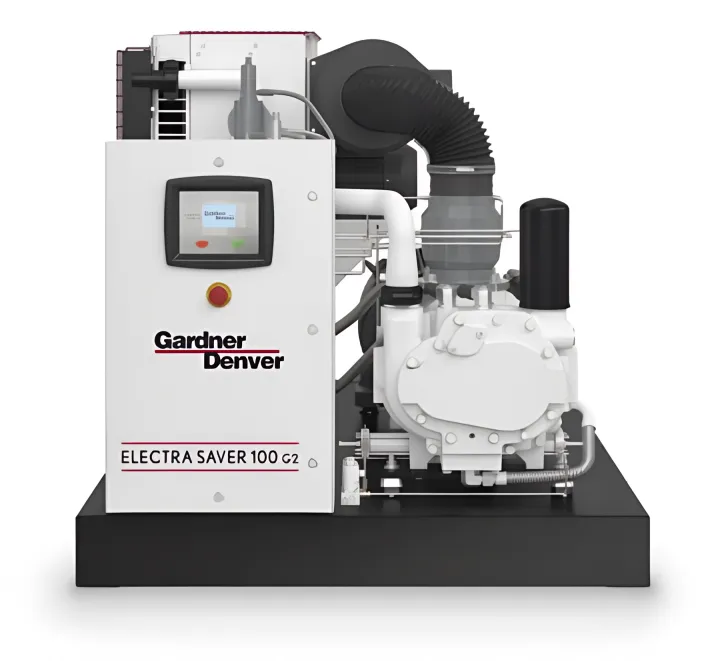
Modern rotary screw compressors include thermal cutoff sensors that trigger automatic shutdown to protect the airend and motor. The Gardner Denver Electra-Saver II, for example, uses a high discharge air temperature switch set to shut down at no higher than 225°F (approximately 107°C). That shutdown protects the machine - but by the time it triggers, damage has likely already begun.
Repeated thermal shutdowns cause cumulative damage:
- Each overheating event pushes lubricant closer to varnish formation, accelerating oil degradation
- Oxidized or viscosity-depleted oil leaves seals and bearings with significantly less protection
- Varnish buildup inside the airend is a leading cause of catastrophic airend failure - one of the most expensive compressor repairs
- Every pneumatic tool, actuator, and automated process on that air supply goes offline until the unit restarts or is replaced
The operational impact extends well beyond the compressor room. A single thermal shutdown can halt an entire production line, with unplanned downtime costs in manufacturing environments often running hundreds to thousands of dollars per hour.
Warning Signs You're About to Experience Overheating
Watch for these indicators before a full shutdown occurs:
- Discharge air temperature running noticeably above your normal baseline under standard load conditions
- Pressure build time increasing - more cycles needed to reach operating pressure than usual
- Burnt oil smell or discolored oil in the sight glass (dark, milky, or thickened fluid signals heat-related degradation)
- Circuit breaker trips or repeated cycling that requires extended cool-down before the unit will restart

Any one of these signals warrants investigation before the thermal sensor makes the decision for you.
How to Prevent Rotary Screw Air Compressor Overheating
Prevention comes down to consistent, scheduled maintenance across the four root causes. These practices aren't technically complex - the real work is committing to a defined schedule before a failure forces your hand.
Maintain Proper Oil Levels and Use the Right Lubricant
Check oil level via the sight glass at operating temperature during every routine visit. Inspect for color, smell, and viscosity changes. Change immediately if oil appears dark, milky, or burnt - don't wait for the next scheduled interval.
For lubricant selection, OEM-specified fluids matter. Gardner Denver's AEON 9000TH is a PAO/synthetic ester blend formulated for high-temperature environments, resisting coking and deposit formation where off-brand alternatives would begin to varnish.
AEON 9000SP is engineered to handle varnish/sludge formation and environmental contamination, with an 8,000-hour service life under standard conditions.
Using non-OEM lubricants also carries warranty implications. Gardner Denver's Platinum 10-Year Extended Warranty requires maintenance in accordance with the operations manual, which includes specified lubricants. For definitive guidance on your specific equipment, contact Comp-Air Ohio or review your warranty documentation.
Inspect and Service the Cooling System on a Defined Schedule
For oil cooler and aftercooler fins:
- Blow compressed air from the clean side through the fin stack to clear dust and oil mist
- In dusty environments, establish quarterly cleaning intervals rather than relying on annual service visits
- Verify the cooling fan is operating correctly and rotating in the proper direction
For the thermal bypass valve:
- Test during every scheduled PM by comparing oil temperature at the cooler inlet versus outlet at operating temperature
- A minimal temperature differential confirms oil is bypassing the cooler - replace the valve immediately
- This is a low-cost component replacement that prevents major overheating events
Keeping thermal bypass valves and oil filters in on-site inventory eliminates parts delays when you need them most.
Optimize Compressor Room Ventilation
The compressor room needs two things: a dedicated cool-air inlet path and a mechanical exhaust system sized to handle the heat load.
Using the Air Best Practices formula - cooling air CFM = sensible heat BTU/hr ÷ (1.08 × allowable temperature rise) - a 100 HP compressor generating 300,000 BTU/hr requires approximately 13,000 CFM to maintain a 20°F room temperature rise.
Practical steps:
- Size mechanical exhaust ventilation using the 3,000 BTU/hr-per-horsepower heat load figure
- Keep the area around the compressor clear of obstructions
- Position the unit so exhaust air cannot recirculate back to the intake
- During summer months, verify inlet air temperature stays within the manufacturer's specified ambient range
Comp-Air Ohio offers compressed air system audits that can identify ventilation deficiencies as part of a broader system efficiency review.
Replace Intake Filters Before They Cause Pressure Drop
Treat the manufacturer's recommended filter change interval as a maximum, not a default. In high-particulate environments, use differential pressure monitoring as the replacement trigger - replace when pressure drop across the filter rises above the specified threshold, not when filters look dirty.
Clean filters reduce mechanical load on the compressor, which directly lowers internal operating temperatures and extends oil life. Key reasons to stay ahead of filter changes:
- Reduces thermal stress on the oil per compression cycle
- Prevents the 1–3% efficiency loss that compounds over time
- Lowers the risk of downstream overheating events driven by restricted airflow
Tips for Long-Term Prevention and Control
Beyond individual maintenance tasks, these practices prevent overheating at a systems level:
- Log discharge temperature baselines and trend them over time. Gradual temperature drift is invisible without historical data - single-point readings during an emergency tell you nothing about how you got there.
- Train operators on rotary-screw-specific warning signs. Burnt oil smell, extended cool-down cycles, and high-temp alarms should trigger immediate escalation, not a reset and restart.
- Use remote monitoring when your equipment supports it - Gardner Denver's iConn system provides real-time machine diagnostics through the GD Governor controller, enabling proactive service alerts before temperature spikes become shutdowns.
- Stock critical cooling system components on-site. Thermal bypass valves and oil filters can't be on a 2-day lead time when a compressor is already down.

Comp-Air Ohio's 24/7 emergency service for contract customers in Northern Ohio is there when a thermal shutdown can't wait. The better outcome is a structured PM program that keeps your compressor running before the call is ever needed.
Conclusion
Rotary screw compressor overheating is not random. It follows identifiable paths - degraded oil that loses heat absorption capacity, a clogged cooler or failed thermal bypass valve, inadequate room ventilation, and loaded intake filters driving up operating load. Each cause has a straightforward preventive response.
Operators who stay ahead of these failure points avoid the downtime and accelerated wear that come with reactive maintenance. The basics are straightforward:
- Schedule regular PM intervals and stick to them
- Monitor discharge temperatures against an established baseline
- Use genuine OEM lubricants and replacement parts
The thermal protection systems built into these compressors are a last resort, not a substitute for routine service.
For Northern Ohio facilities running Gardner Denver equipment, Comp-Air Ohio's factory-trained technicians and AEON lubricant inventory are available to support both scheduled service and emergency response. Contact Comp-Air Ohio at (440) 237-6700 to discuss a preventative maintenance program for your compressed air system.
How Comp-Air Ohio Delivers for Your Plant
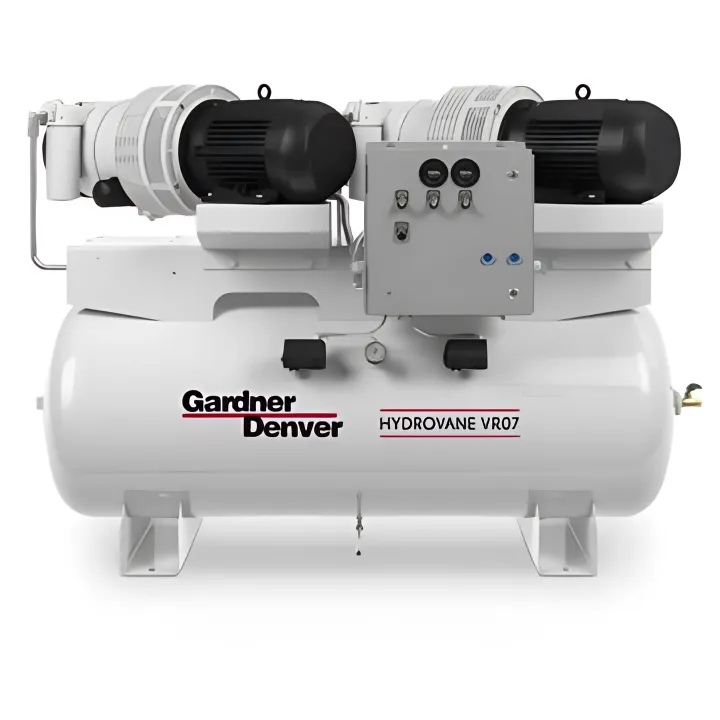
Comp-Air Ohio is the Gardner Denver air compressor dealer for Northeast Ohio, serving manufacturing plants, automotive shops, processing facilities, and commercial businesses from 9841 York-Theta Drive in North Royalton since 1977. Cooling and lubricant support covers Gardner Denver and CompAir rotary screw compressors and Hydrovane rotary vane units, with AEON and Summit Industrial lubricants and Gardner Denver filtration supplies. Your Cleveland, Akron, and Northern Ohio facility gets local sales, service, repair, maintenance, parts, compressed air audits, and electric rentals up to 300 HP, plus all-makes repair when uptime matters.
Explore related resources on our compressors, parts, dryers, aluminum piping, lubricants, compressor controls, nitrogen generators, and used equipment pages.
Ready for next steps? Request a quote, call Cleveland at (440) 237-6700, Akron at (330) 928-3092, or toll-free at (800) 247-7978.
Frequently Asked Questions
What causes high discharge temperature in a rotary screw compressor?
The most common causes include degraded or low oil, a clogged oil cooler, a failed thermal bypass valve, poor room ventilation, and clogged intake filters. These issues compound quickly - a dirty cooler combined with high ambient temperature can trigger shutdown even when oil condition is acceptable.
What happens if a rotary screw air compressor overheats?
The thermal cutoff sensor triggers an automatic shutdown to prevent airend damage. Repeated overheating accelerates seal, bearing, and oil degradation, raising the risk of varnish buildup and catastrophic airend failure. Thermal shutdown is a protective response, not a condition to reset and ignore.
What is the life expectancy of a rotary screw compressor?
Industry practice puts oil-injected rotary screw compressor expected lifespan around 10-15 years with proper care. Chronic overheating shortens that by accelerating internal wear and oil degradation, making thermal management one of the most impactful variables in actual service life.
What is the normal operating temperature for a rotary screw air compressor?
Oil-injected rotary screw compressors typically run at 170–212°F (77–100°C), with the DOE Compressed Air Challenge recommending a ceiling of 200°F (93°C). Shutdown thresholds vary by model; for example, the Gardner Denver Electra-Saver II shuts down at 225°F (107°C) - always verify against your service manual.
Can low oil cause a rotary screw compressor to overheat?
Yes. Circulating oil absorbs the majority of heat generated during compression. When oil volume drops, each compression cycle produces more heat than the reduced oil volume can absorb, causing discharge temperatures to rise faster. Reduced oil also means less lubrication for bearings and rotor surfaces, compounding both thermal and mechanical wear simultaneously.
How do I know if my rotary screw compressor's thermal bypass valve is failing?
The key indicator is discharge temperature climbing to the alarm threshold within 10–20 minutes of startup, despite a clean cooler and fresh oil. To confirm, compare oil temperature at the cooler inlet versus outlet: nearly identical readings mean oil is bypassing the cooler entirely. Replace the valve promptly; it's a low-cost fix compared to the damage from continued operation.